CPA Pasadena AlternativeClose the month before the year ends
Steven Palmieri, a Tax CFO and the Entrepreneur's CFO, keeps the books for owners in Pasadena, sets payroll up with a provider you run, and prepares the return from those same months.
Talk about the books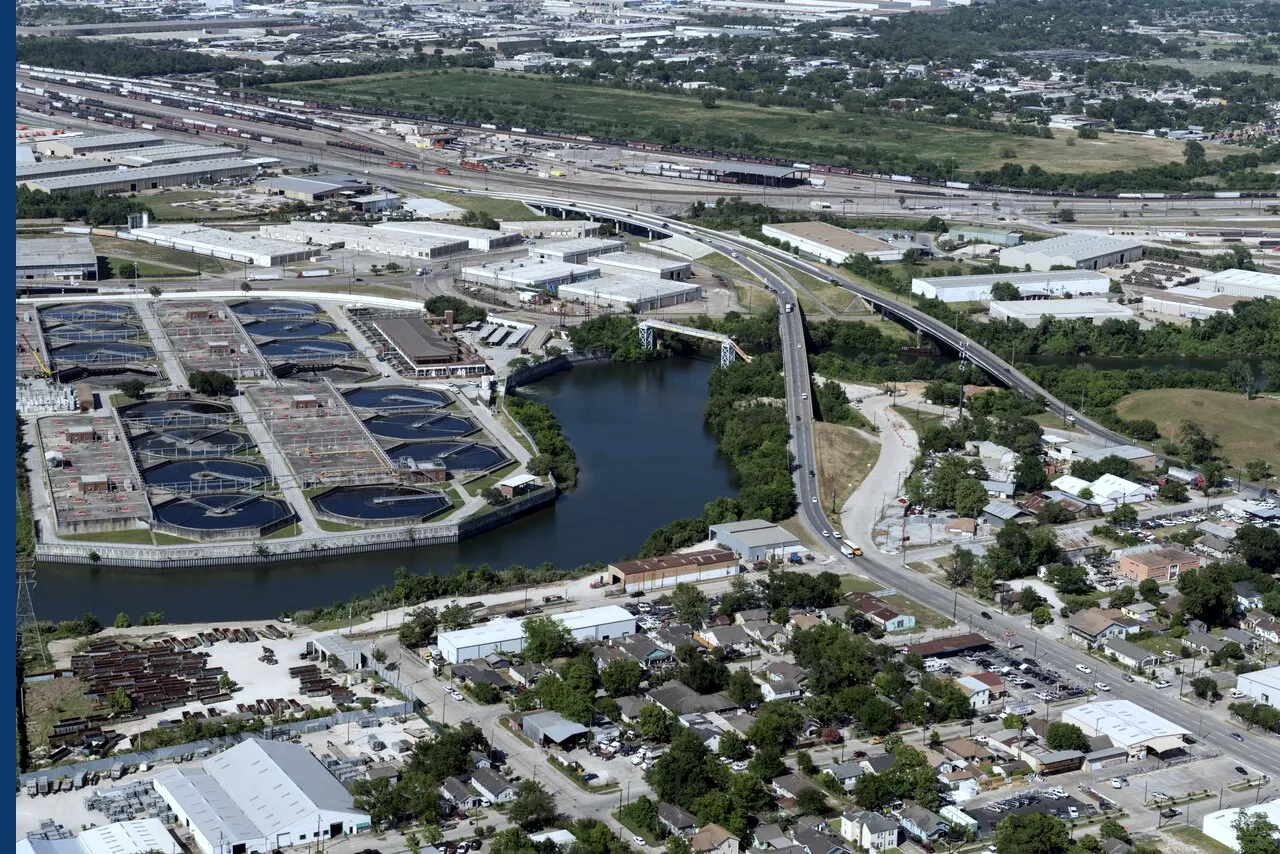
Name the month still open
The practice is based in Dallas and works with owners in Pasadena by video, and the close lands on the same day either way.

You will be talking to the Steven Palmieri practice.

The month, closed
We tie the bank, the cards, and the loan balances before we call the month finished.
Click to meet the practice ›Tap to meet the practice ›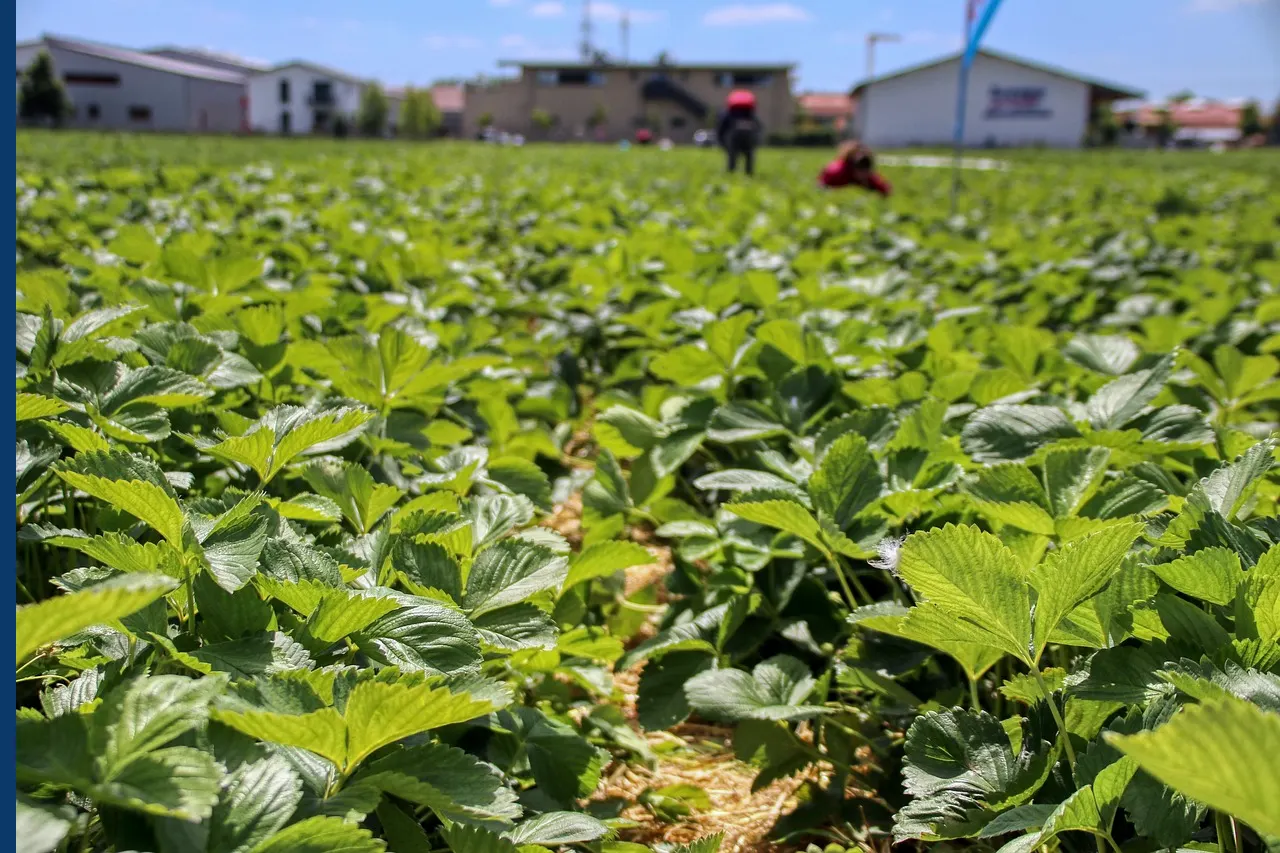
When one quarter swells
By the 1930s this town called itself the Strawberry Capital. We share that pride as Texans, and we ask which weekend deposits never met a ticket.
Click to see a fat quarter ›Tap to see a fat quarter ›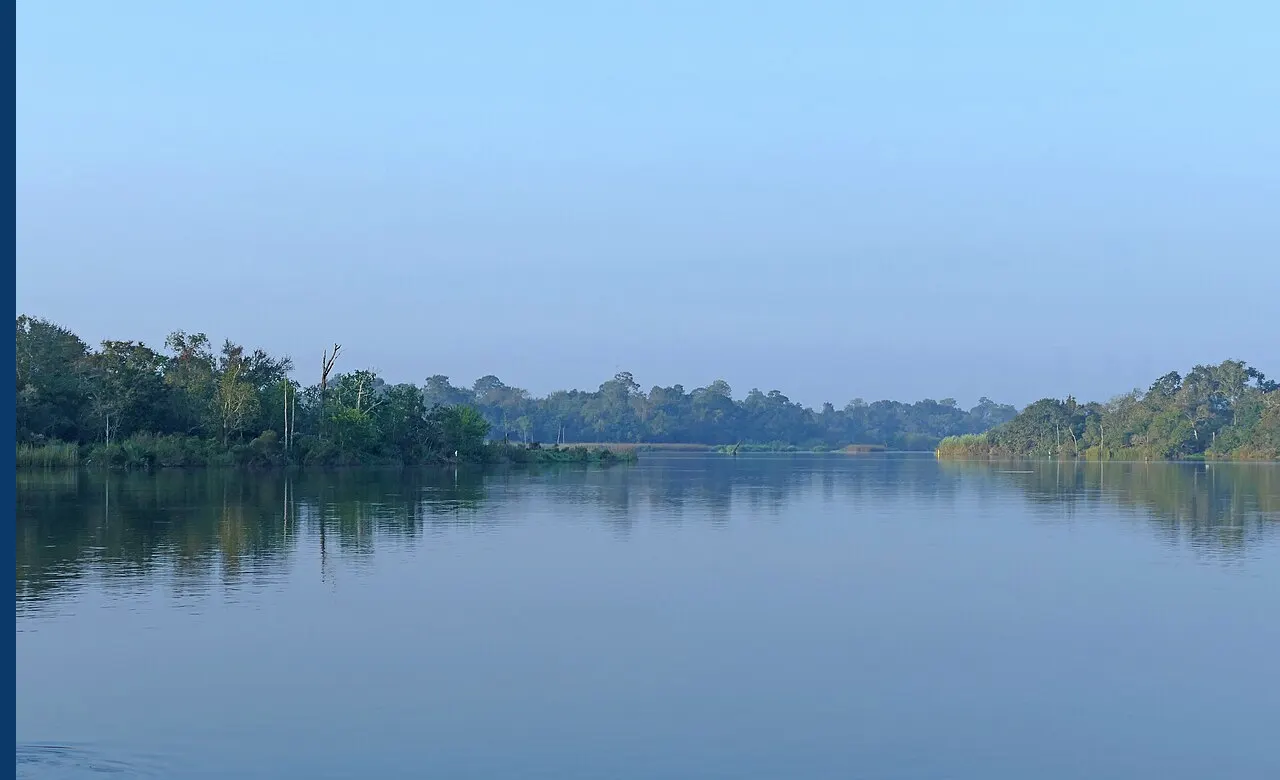
The quiet water
Armand Bayou holds a 2,500 acre preserve on the bay side of town. We do not live beside it. Every Texan knows that quiet water, and a quiet month gets the same close.
Click to read the Texas city ›Tap to read the Texas city ›
Questions owners ask
Whether the month can still be open, who runs payday, and what happens if a lender wants a signed cover.
Click to read the questions ›Tap to read the questions ›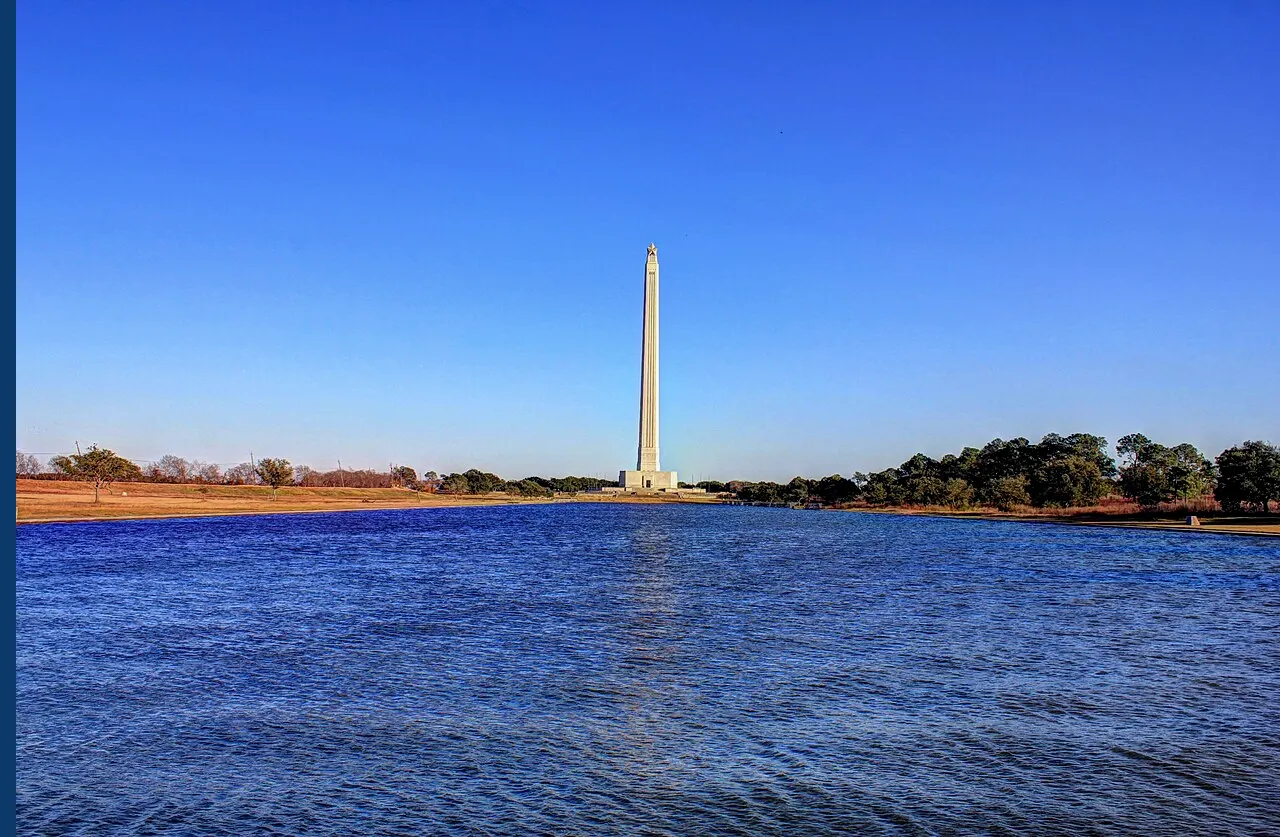
The monument next door
Santa Anna was captured at Vince's Bayou, which is why this town shares the nickname Birthplace of Texas. We feel that history as Texans, and we also read the school rate that sits on the same ground.
Click to see the rates ›Tap to see the rates ›
A loud weekend
The livestock show is a point of pride for families here. We share that pride as Texans, and we ask whether the weekend cash landed in the month it was earned.
Click to see the filings ›Tap to see the filings ›Six troubles along the channel
Six troubles from owners along the channel. Open one.
1One quarter looks like a different company
We leave the swell visible
The north side of town meets the ship channel, where Buffalo Bayou meets the San Jacinto. Every Texan knows that working water. We see a turnaround on it and we leave the fat quarter loud in the books.
2Sales tax has a crime control slice inside it
We keep the pieces apart
The city piece and the crime control district sit inside one combined rate. We split them on the worksheet so the return due on the 20th is not a blended guess.
3Equipment meets a rendition in the spring
We read the form before it is signed
Yards full of tools meet the appraisal district every spring. We ask what the number on that form will do to the bill the following year.
4A crew needs payroll set up
We set it up and you run payday
Registrations, a provider, and a wage that fits the role. After that the provider you chose runs payday. We do not run it.
5The May franchise report follows a loud year
We use the rate for the year being filed
Retail and wholesale are not taxed like other work on that report. We name which rate applies while the year can still be read clearly.
6Deposits from a big weekend never met a ticket
We match cash to the day it was earned
A Saturday at the livestock show can drop a pile of cash into one deposit on Monday. We want that deposit tied to the weekend, not smoothed across the month.
Who closes the month
Along this channel Steven Palmieri is the Tax CFO and the Entrepreneur's CFO.
Meet the practiceSay what this year did
One sentence about the open month is enough to start.
You will be talking to the Steven Palmieri practice.
What the first month actually changes
The first month is not a speech about the year. It is the last open month, tied to the bank, with the categories holding still so the next month can be compared to it.
We start from the feed, match what the bank already knows, and clear the items that have been sitting in a suspense pile. A month is finished when the cash matches, the loans match, and nothing is waiting on a question we already know how to ask.
Owners along the channel often meet us after a turnaround. Six hard weeks land in one quarter and the year looks like a different company. The close does not average that away. It shows the swell, then the return is built from those months.
Payroll setup happens in that same first stretch when a crew is new or a provider has never been chosen. Registrations and the provider get handled in that stretch, and then payday stays with you. We do not run it.
What the price depends on
The fee follows the shape of the file. How many months are open. How many accounts touch the bank. Whether sales tax, a franchise report, and a rendition all sit on the same year.
We do not print an average on this page because an average would describe someone else's shop. On the call we say what we see and what an engagement would cost for that scope. A contractor whose months already tie to the bank, and who only wants last year's return prepared, hears that limit and we do not stretch the hour into a monthly engagement.
A cleanup of old months is quoted on its own before the monthly work starts. The return comes after those months are tied to the bank.
The past, the present, and the year still ahead
The past is the open months and the deposits that never met a ticket. The present is a close you can read on a set day. The year ahead is the return, the estimates, and the choices that are still open in the fall, including whether a profitable sole proprietorship should elect to be taxed as an S corporation before the wage base makes that election pointless.
Estimates get set from this year's real numbers. Last year's bill divided by four is how a fat quarter becomes a penalty in April.
None of that is a promise about a dollar figure. The months come first, and the return follows the months that actually happened along the channel.