CPA Pasadena AlternativeThis is the Texas town
Owners here ask for the books and the return, and the other city with this name is in California. This page is about the Texas town.
Ask about the books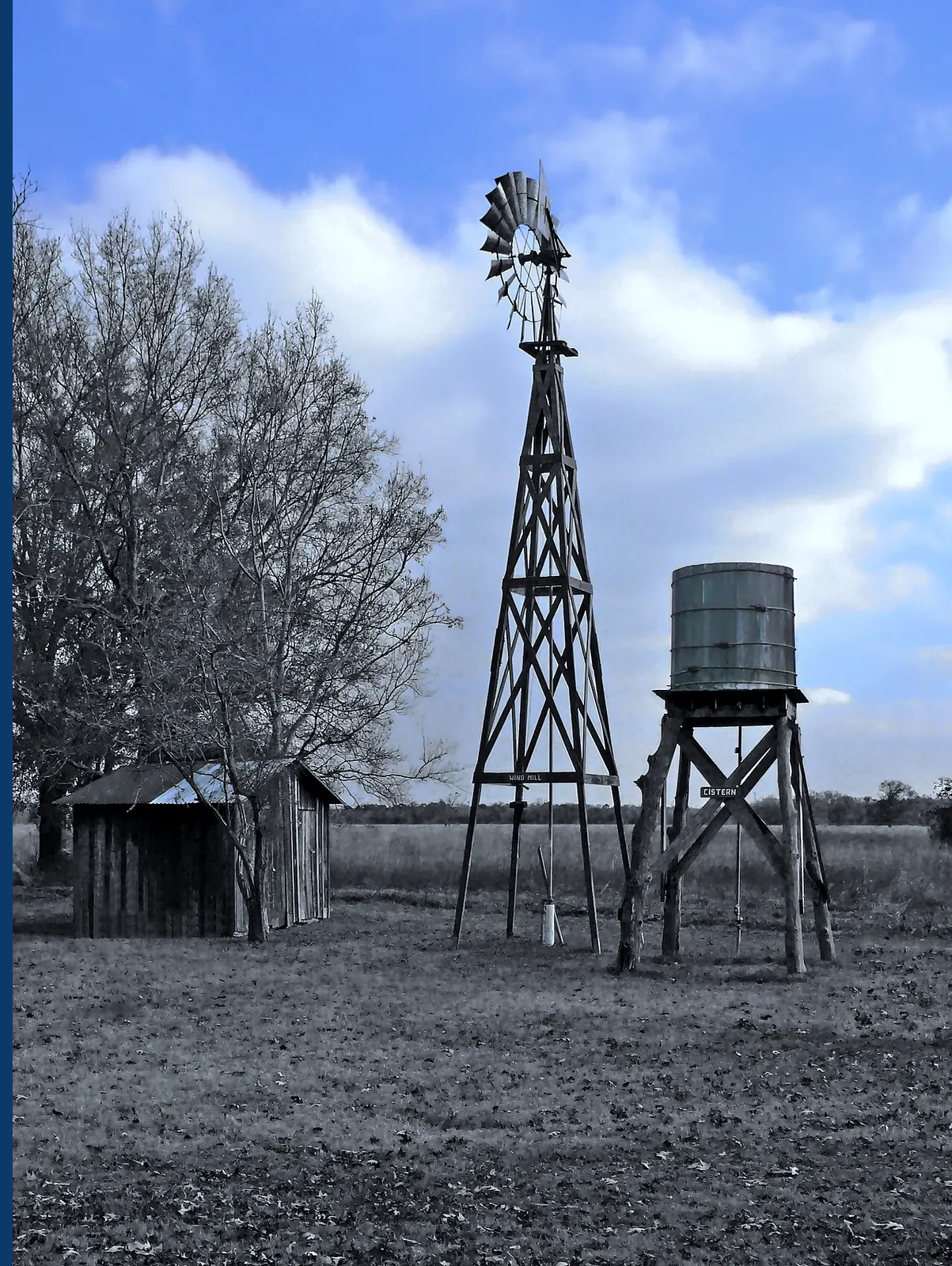
Why the name points at two places
John H. Burnett of Galveston laid out the townsite in the 1890s and borrowed the California name for the vegetation. The lush ground was the point. The work people want when they type this town's name is not a walk through that history. It is a month that ties out.
We are Texans, and we can appreciate why a founder would name a bayou town after a green place worth admiring. We do not live on Strawberry Road, and we do not keep an office here. We still know the difference between this town and the one west of the Rockies, and we do not let that mixup eat the first call.
Some owners ask for a person who will keep the year visible. The title they use and the work they need are not always the same. On this page the work is the books, payroll set up with a provider you run, the statements, and the return.
What we do with the name once it is clear
Once we are talking about this town, the conversation moves to the channel, the plants, the clinics, and the shops that serve them. A contractor who staffs a turnaround does not need a lecture on the California roses. That owner needs the fat quarter kept separate from the calm ones.
The windmill at Armand Bayou Nature Center still stands over the preserve Burnett's vegetation grew toward. We like that the town kept a wild edge. We also like a chart of accounts that stays still, so a wild quarter can be compared with a quiet one.
If the file is in the other Pasadena, we will say so and stop. This practice works with Texas owners.
What the mixup costs if nobody names it
The first ten minutes of a call are expensive when both people think they are talking about a different coast. A shop that staffs outages on the ship channel does not need a conversation about California property tax, and a reader who landed here from the other city does not need a lecture about Buffalo Bayou. Naming the town out loud is how we give those minutes back.
We keep a short list of the things that only belong to this side of the state. The channel on the north edge. The bayou preserve. A school rate published for Harris County. A livestock show the families here treat as their own weekend. None of that is a tour. It is how we know the file in front of us is the Texas one.
John H. Burnett borrowed a California name because the ground looked lush. Every Texan can enjoy that story without pretending to have stood on the original townsite. We enjoy it the way you enjoy a name that stuck, and then we ask whether the chart of accounts has stuck too, or whether every new plant job invented a new account.
After the name is settled, the month is the work
A contractor who lives through turnarounds, a clinic that bills the plants, and a shop that feeds the crews all share one problem. The busy weeks and the quiet weeks get poured into one average, and the average is a company that never existed. We close the month that happened.
Payroll setup, when a crew is new, happens in that same stretch. Registrations and a provider you keep running. We do not run payday. The statements that come off a closed month are ordinary ones, with no attached report that pretends to be an audit.
You can read this page and leave. If the other city is the one you meant, the form will tell us and we will say so plainly. If this city is the one, tell us how many months are still open and whether a lender has asked for a signed cover.
How a first call uses the hour
We ask when the books were last closed, whether sales tax is filed, and whether a lender has asked for a signed cover. Those three answers tell us if the monthly work is the right next step or if a shorter cleanup would do.
You leave with a plain description of the scope. Nothing is engaged until a letter names it.
Tell us which town you mean

You will be talking to the Steven Palmieri practice.